
Our services
Practical therapy for NDIS participants of all ages, built around the goals in their plan.
Functional capacity assessments
A functional capacity assessment looks at how a person manages everyday tasks and where they need support. We use standardised tools, observation and conversations with the person and the people who know them well.
The written report explains the person's strengths, the areas where they need help, and our recommendations. These reports are often used for NDIS plan reassessments and funding requests.
Home and living assessments
We complete home and living assessments for participants exploring Supported Independent Living (SIL) or Individualised Living Options (ILO).
The report looks at daily living skills, safety and supervision needs, current informal and formal supports, and the participant's goals for where and how they want to live. It then recommends the type and level of support needed.
Daily living and independence
We work on the practical skills that build independence at home and in the community, such as:
- dressing, grooming and personal care
- preparing simple meals and snacks
- morning and evening routines
- planning, organising and managing time
- shopping, money handling and getting around the community
Sensory processing and emotional regulation
Some people find noise, touch, movement or busy places overwhelming, while others seek out more input. We help work out what a person's sensory needs are and build strategies that fit into daily life.
Emotional regulation work focuses on recognising feelings early and having practical tools to stay calm, focused and settled, at home, at school and at work.
Work skills and employment
We help adults and older teens build the skills to find and keep a job, including:
- work routines, organisation and managing energy across the week
- resumes, job applications and interview practice
- managing sensory and communication needs at work
- advice on workplace adjustments, for the person and their employer
These supports are funded in the same way as our other occupational therapy, usually from the Improved Daily Living budget.
Motor skills and development
For children and teens, we work on the motor skills that support learning and play:
- fine motor skills, such as pencil grip, cutting and buttons
- handwriting
- gross motor skills, balance and coordination
- play skills and attention for school readiness
Low-cost assistive technology
The NDIS defines low-cost assistive technology as items under $1,500, such as shower chairs, adapted cutlery, walking aids and sensory tools. Participants can usually buy these from their plan without a quote or assessment.
As part of therapy, we can advise on which items might help and how to use them safely. We don't complete mid-cost or high-cost assistive technology assessments.
Progress reports and plan reviews
Ahead of a plan review, we can write a progress report outlining the goals worked on, the progress made, and our recommendations for the next plan. Report writing time is charged in line with NDIS rules.
Psychology
Sandie, our psychologist, specialises in neurodevelopmental and disability-related psychology. She isn't taking new referrals for ongoing psychology therapy, but is taking referrals for cognitive assessments.
Cognitive assessments
Sandie completes cognitive assessments using the WAIS-5 for adolescents and adults (16 and over) and the WISC-V for children aged 6 to 16.
These assessments measure thinking skills such as verbal reasoning, working memory and processing speed. The written report sets out strengths, areas of difficulty and practical recommendations. Assessments can support NDIS access requests, plan reviews and school planning.
Cognitive assessments are available to NDIS participants with self-managed or plan-managed plans, and to private clients.
Where sessions happen
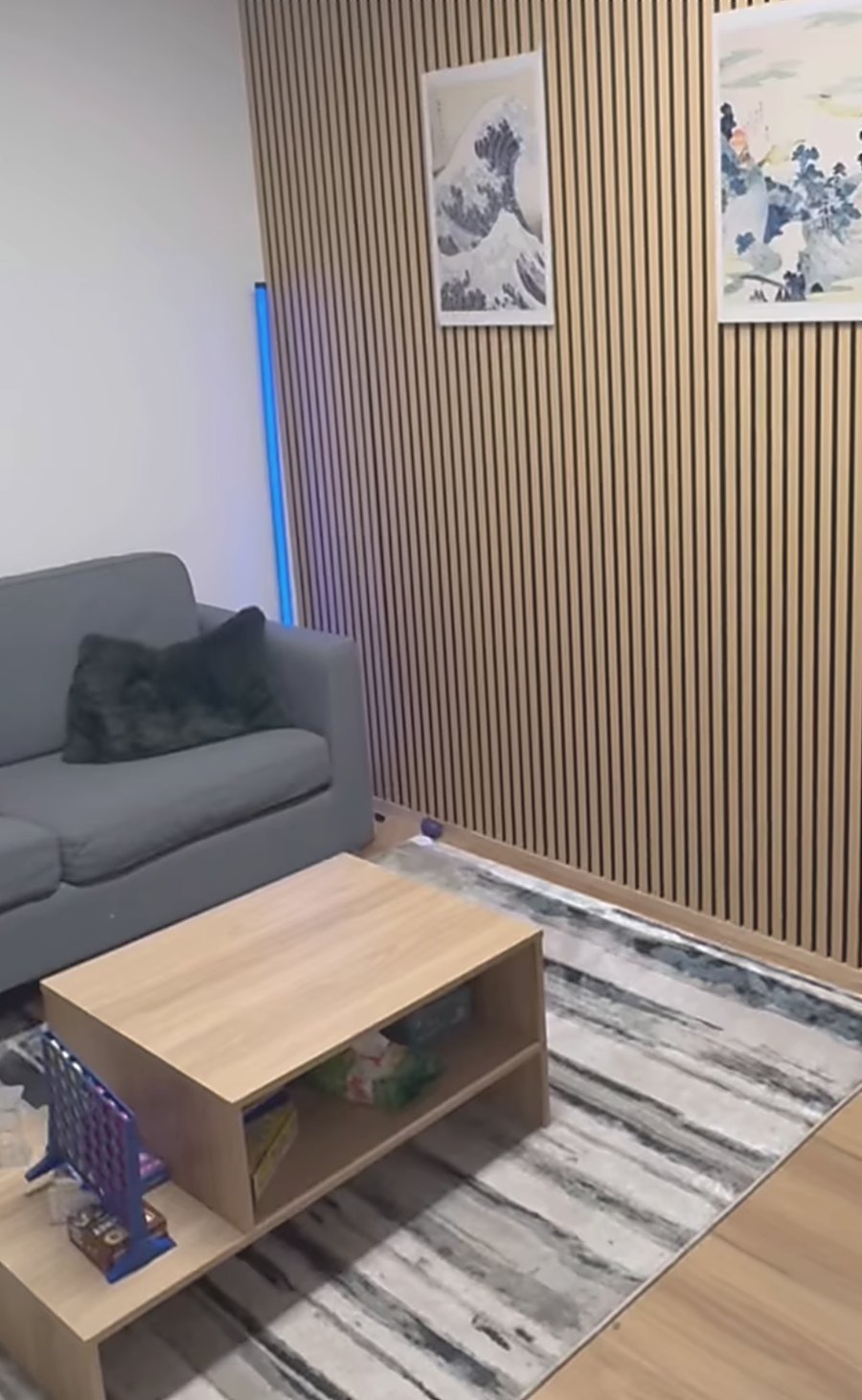
Most sessions take place at our clinic in Svensson Heights. Home and school visits can be arranged when they suit a person's goals, with travel charged in line with NDIS rules.
What we don't offer
- home modifications of any kind
- wheelchair or seating prescription
- mid-cost or high-cost assistive technology assessments
A support coordinator can help find a provider for these.
Make a referral
Participants, families and support coordinators can all send an enquiry using our short online form.
Social skills
We help children, teens and adults practise the skills for getting along with others, including starting and keeping conversations going, taking turns, reading social cues, and joining in with groups, at school, at work and in the community.