
Occupational Therapyfor NDIS participants in Bundaberg
We help children, teens and adults build the skills they need for everyday life, from our clinic in Svensson Heights.
- NDIS participants of all ages
- Self-managed and plan-managed NDIS plans
- Clinic rooms in Svensson Heights
What we help with
We work on the everyday skills that matter most to each person, using goals from their NDIS plan as the starting point.
Functional capacity assessments
A clear picture of how someone manages everyday life, written up for NDIS plans and reviews.
Daily living and independence
Building skills for self-care, dressing, meals, routines and getting things done at home.
Sensory processing and emotional regulation
Understanding sensory needs and learning practical ways to stay calm, focused and settled.
Social skills
Practising the skills for friendships, conversations and joining in at school, work or in the community.
Work skills and employment
Building the skills to find and keep a job, from routines and resumes to workplace adjustments.
Motor skills and development
Fine and gross motor skills, handwriting, coordination and play for children and teens.
Low-cost assistive technology
Advice on simple everyday equipment under $1,500 that makes daily tasks easier and safer.
Home and living assessments
Reports for participants exploring SIL or ILO, covering daily living skills, safety and support needs.
Cognitive assessments
WAIS-5 and WISC-V assessments with our psychologist.
Our clinic rooms
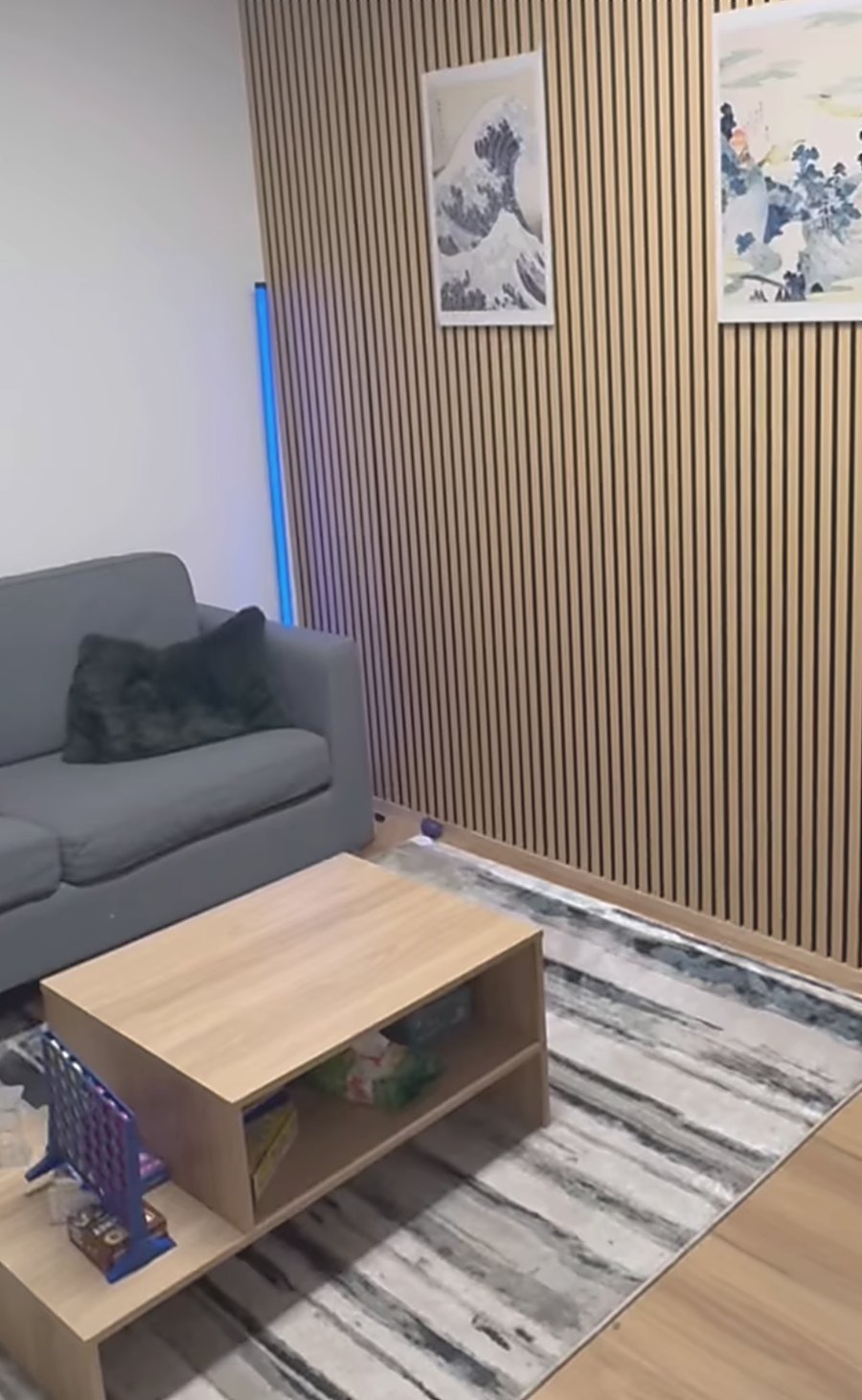
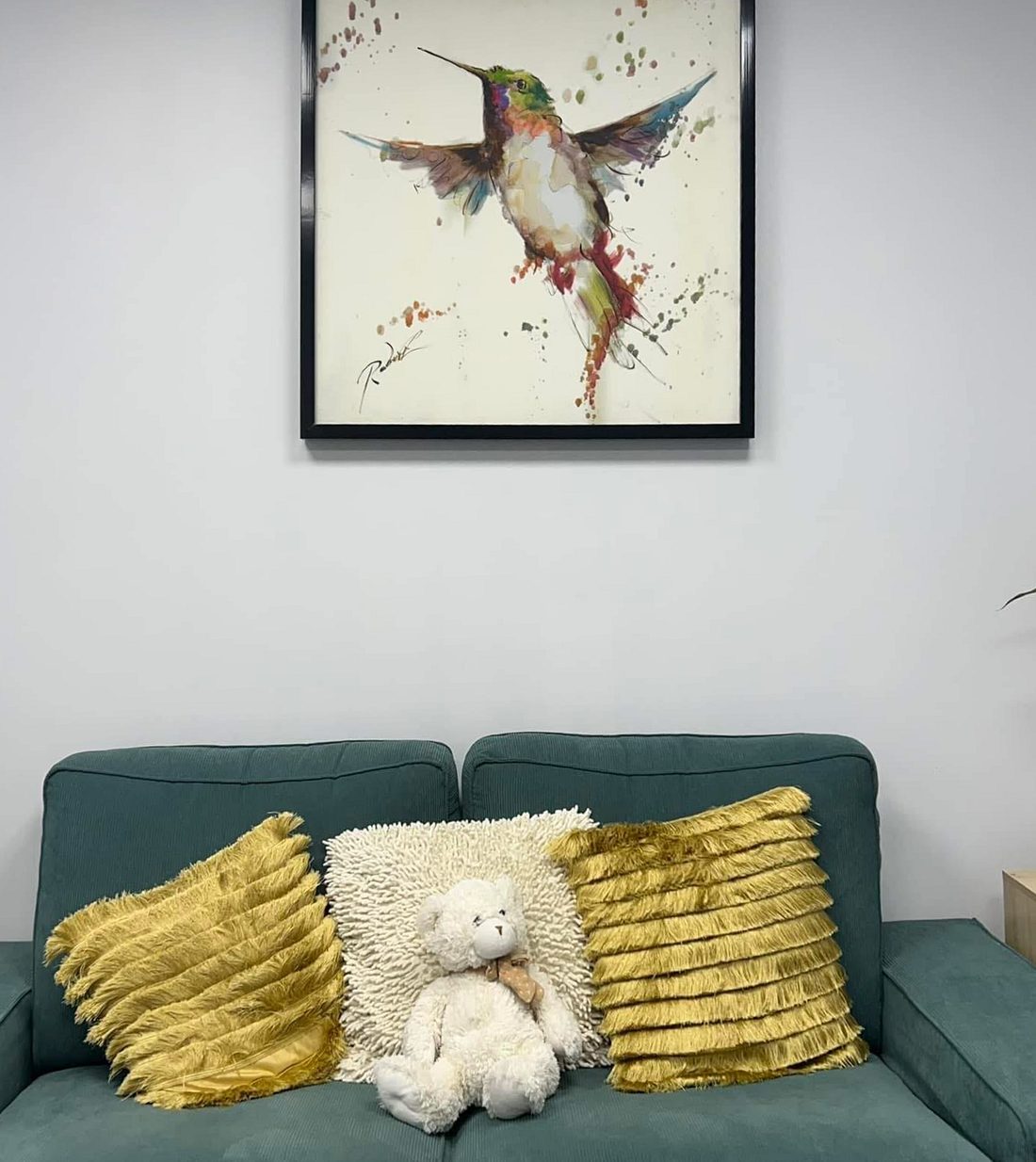
We have clinic rooms in Svensson Heights, set up for therapy. Sessions have room to move, play and practise, with equipment on hand.
Coming to the clinic also gives people a calm, predictable place to work on their goals, away from the distractions of home or school.
Home and school visits are available by arrangement when they suit a person's goals. Travel is charged in line with NDIS rules.
How referrals work
Send an enquiry
Participants, families and support coordinators can all use our short online form.
Intake form
Within five business days, we email you our intake form to complete.
Service agreement
We agree on supports and costs in writing before therapy starts.
Initial assessment
Your therapist gets to know you and sets goals with you.
Therapy and reports
Regular sessions, with progress reports ahead of plan reviews.
What we don't offer
To keep our focus on therapy, we don't provide:
- home modifications of any kind
- wheelchair or seating prescription
- mid-cost or high-cost assistive technology assessments
A support coordinator can help find a provider for these.
Ready to make a referral?
Our enquiry form takes about two minutes. We'll then email you our intake form.